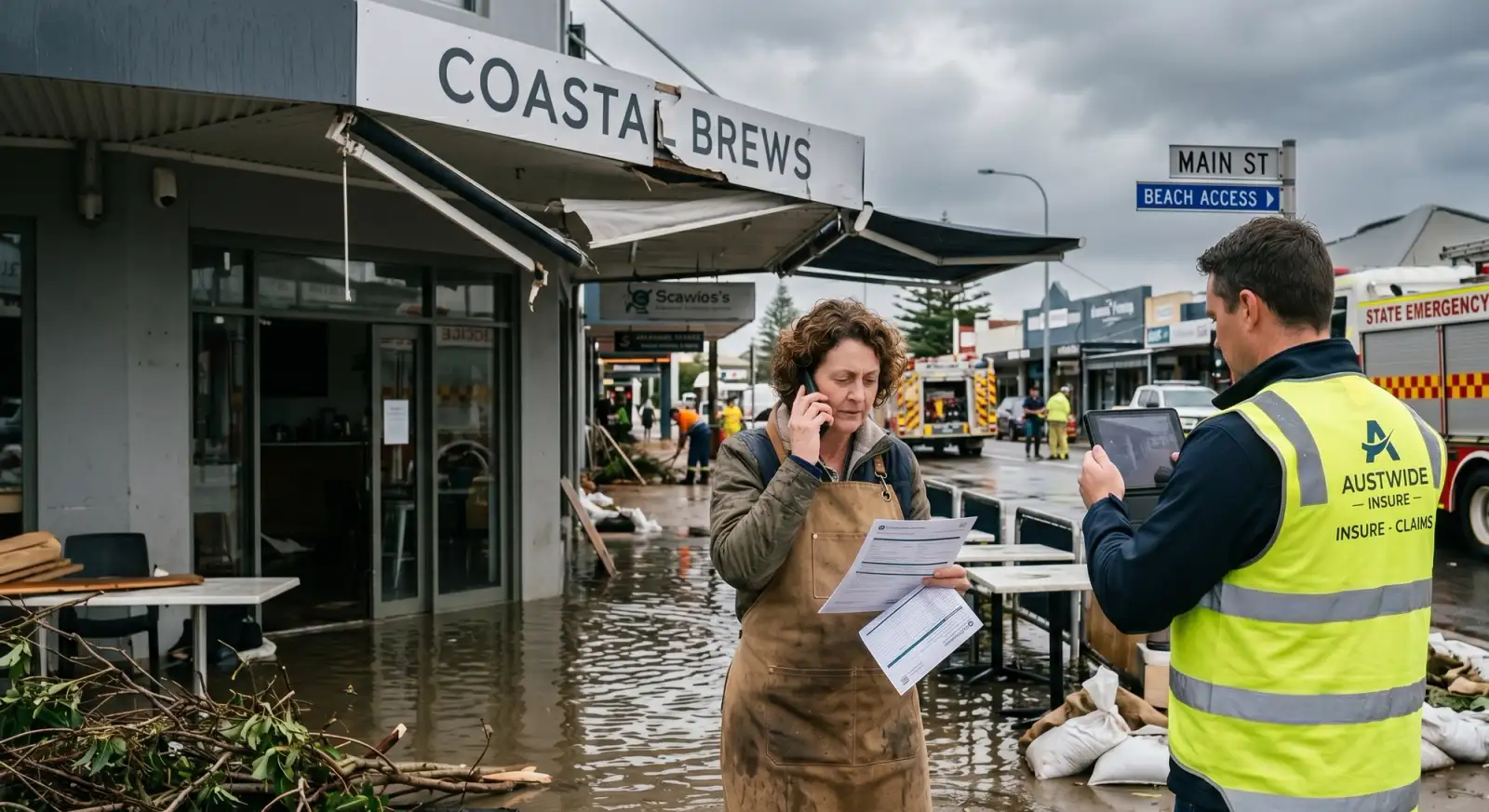
Across 2025, businesses in many parts of Australia have dealt with floods, cyclones, storms and hail. These events have driven large numbers of insurance claims, put pressure on insurers and highlighted how important it is for businesses to understand their weather risks and keep their insurance policies up to date.
Insurance landscape after a year of extreme weather
In the first half of 2025, extreme weather events led to about $1.83 billion in insured losses from more than 148,000 claims, according to data released by the Insurance Council of Australia (ICA) and reported by Insurance News.
Most of this cost came from three declared catastrophes:
North Queensland floods in February
Ex-Tropical Cyclone Alfred in March, affecting south east Queensland and northern New South Wales
Mid North Coast and Hunter floods in New South Wales
Alfred alone has been estimated at around $1.36 billion in insured losses and more than 125,000 claims.
These events sit within a broader trend. ICA figures show extreme weather losses have risen sharply over the past five years, and an ABC News report notes that premiums are under upward pressure as insurers respond to more frequent and severe events, higher rebuilding costs and global reinsurance costs.
For businesses, this means weather risk is now a core financial and operational issue, not just an occasional disruption.
Practical steps to strengthen resilience
While you cannot control the weather, you can take practical steps to prepare your business and reduce the impact of future events.
1. Know your main weather risks
Identify which hazards matter most for each location: river or flash flooding, coastal storm surge, cyclone, severe storms and hail, or bushfire. Use local council information, state fire service guidance and Bureau of Meteorology resources to build a clear picture of your exposure.
2. Maintain and protect your property
Basic maintenance can significantly reduce damage:
Keep gutters, downpipes and drains clear
Check roofs, skylights and flashing for leaks or loose materials
Secure outdoor furniture, bins and signage before storms
In bushfire areas, clear dry vegetation close to buildings and follow local bushfire readiness advice
3. Safeguard key assets and data
Keep an up to date asset register with photos, serial numbers and approximate replacement values
Back up important data regularly and store copies off site or in the cloud
Move valuable stock and equipment above likely flood levels when severe weather is forecast
Good records and backups make insurance claims smoother and help you restart operations faster.
4. Review your insurance policies regularly
Work with a broker to check that:
Important perils, such as flood, are included where needed (flood is often an optional extension)
Sums insured reflect current rebuild and replacement costs, given construction inflation
Business interruption cover is in place and reflects how long you might realistically need to recover
5. Plan for supply chain and access disruption
Consider how your business would cope if roads, power, communications or key suppliers were affected. Practical options include:
Identifying alternative suppliers for critical materials or services
Holding limited buffer stock at a secondary location where appropriate
Planning how you would work remotely or from temporary premises if needed
These steps can help you keep trading, even if your main site or key partners are impacted.
Getting support when you need it
If your business is hit by a flood, storm, cyclone or bushfire, safety comes first. Once it is safe to do so:
Contact your insurer or broker as soon as possible to lodge a claim, even if you do not yet know the full extent of the damage
Take photos and video of damage before cleaning up
Keep receipts for any temporary repairs or emergency costs
Only carry out temporary repairs that are safe and necessary to prevent further damage
Industry groups also warn to be cautious of uninvited tradespeople or “disaster chasers” who appear after major events. If someone arrives offering repairs or claims help, check with your insurer or broker before signing anything or paying money.
An experienced insurance broker can help you understand how your policies respond, prepare information for your claim and negotiate with insurers on your behalf.
PSC Insurance Brokers supports commercial and small-to-medium businesses across Australia with insurance advice and claims assistance, with dedicated claims resources in each PSC office. If you would like help with a current claim, or want to review your insurance policies ahead of the next storm or bushfire season, you can contact your local branch to speak with a broker about the most appropriate insurance cover for your business.