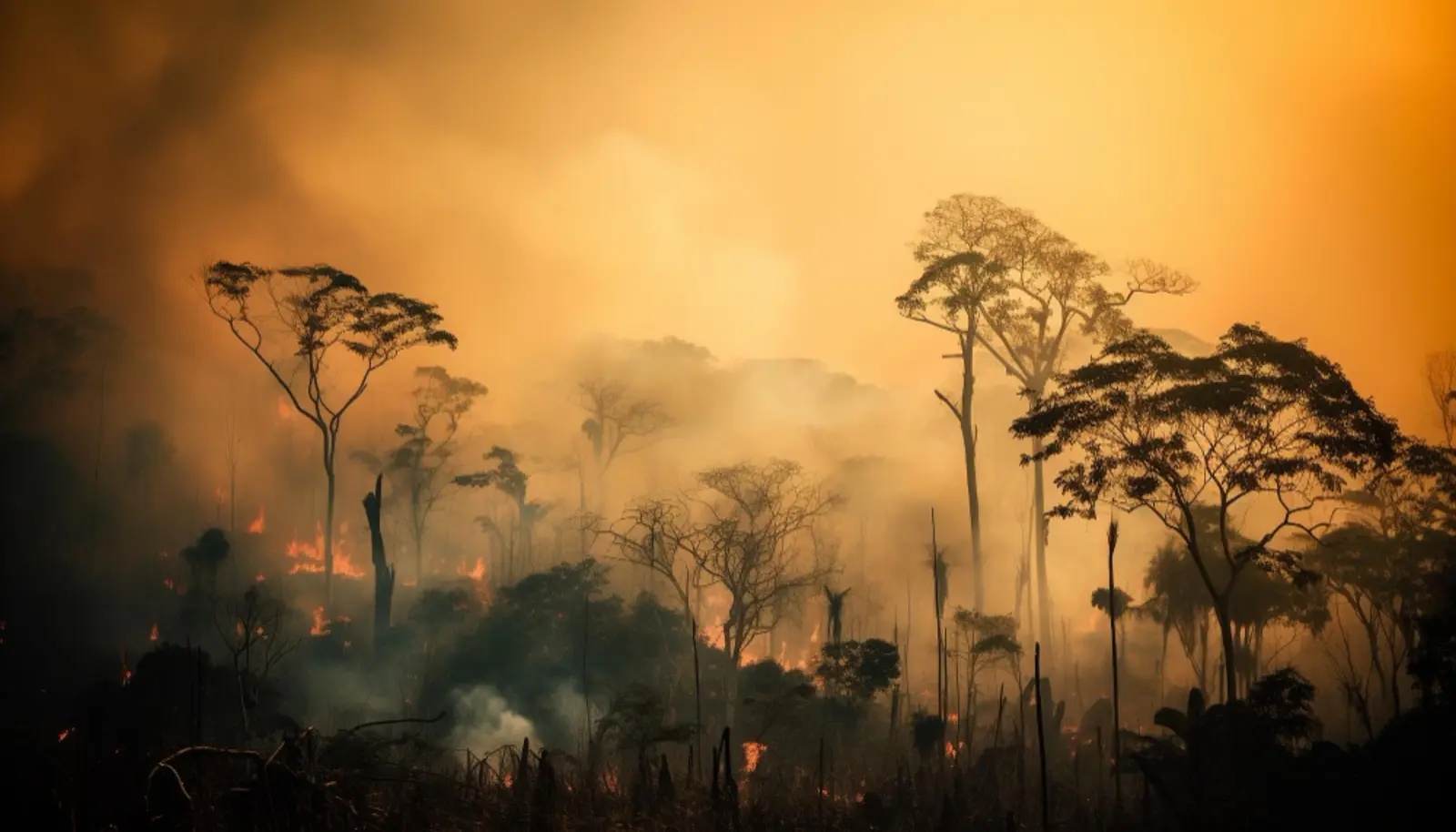
With Australia experiencing more extreme weather and hotter conditions each year, the risk of bushfires is an ever-present concern, particularly during summer. Business owners must take proactive steps to assess their risk and ensure appropriate protections are in place.
Bushfire Risks Heading Into Summer 2025–26
Recent conditions have increased fire risk across several parts of the country:
Victoria has above-normal fire potential in regions like the Grampians, central highlands, and south-west Gippsland due to dry soils and fast-growing grass.
New South Wales is on alert after experiencing catastrophic fire danger ratings and school closures in late November.
South Australia remains at ‘normal’ fire risk, but authorities warn that a return to hot and windy conditions could quickly raise the danger.
The Bureau of Meteorology is forecasting higher-than-average temperatures nationwide this summer, increasing the chances of prolonged heatwaves. These conditions dry out vegetation and raise the likelihood of fast-moving fires, especially in grassland and forested areas.
For businesses, this means now is the time to act—not just to safeguard property, but to protect operations and people.
Assessing Bushfire Vulnerability for Commercial Properties
Business owners should consider the following when evaluating risk:
Proximity to vegetation: Is the property near bushland or grassland?
Access to emergency services: How far is the nearest manned fire station?
History of bushfires: Has your area been impacted previously?
Smoke and debris risk: Could nearby fires cause damage without direct contact?
Operational disruption: Would utilities, staff access or supplier routes be affected?
Proactive Steps to Reduce Bushfire Impact
Protecting your business from bushfires requires a proactive approach and robust defence. This approach includes comprehensive planning and continuous reinforcement of protective risk mitigation measures.
1. Fire Breaks
Implementing fire breaks involves creating clear spaces between bushland and buildings, devoid of flammable materials or trees. These gaps act as barriers against advancing fires, preventing flames from spreading due to high winds. This strategy effectively halts the fire’s progression, potentially sparing properties from destruction.
2. Debris Clearance
Clearing properties of debris such as dry leaves, fallen branches, waste, or building materials significantly reduce flammable materials on-site. This leaves fewer flammable materials at hand in the case that fires spread to your property, which can ultimately be the difference between an engulfment of your property and a fire burning out.
3. Roof Maintenance
Maintaining clear roof valleys and gutters is another way to help safeguard against bushfire perils. Even if fires are not in the immediate vicinity of your property, embers that have blown from nearby fires can land in roof valleys or gutters and ignite dry leaves and debris, causing fires to rapidly grow and spread.
4. Alternative Water Supply
Where possible, an alternative water supply such as a water tank should be kept on the property. During crises, utilities such as central water supplies can fail, rendering firefighting efforts ineffective. Water tanks provide firefighters with additional water sources, aiding in extinguishing fires and reducing property losses.
While the above strategies are crucial barriers against direct fire threats, they focus on addressing the immediate physical risk. However, business owners should consider insurance solutions within their risk mitigation strategy as a financial safety net that extends beyond physical protection.
Insurance Considerations for Bushfire Risk
Even with preventative measures in place, businesses can still face losses due to bushfire. Insurance policies provide a critical financial safety net.
Key considerations include:
Check existing Business Insurance
Bushfire is commonly included, but exclusions may apply in high-risk areas.
Review sums insured
Ensure property and asset valuations are up to date to avoid underinsurance.
Seek professional support
A broker can help identify suitable options, including Parametric Insurance, which pays based on fire-related triggers rather than damage assessments.
How PSC Insurance Brokers Can Assist in Your Bushfire Protection Strategy
If you have a commercial property that is exposed to bushfire risk, PSC Insurance Brokers can work with you to provide key insights on the insurance solutions available that will help protect your business from bushfire risks. Our team of specialists will help to put comprehensive protections in place to aid in recovery should the unforeseen occur.
From retailers to manufacturers to agri-business, we have the capabilities to provide world-leading solutions to protect your property from bushfires and unforeseen risks that threaten your future. Contact us to discuss this today.