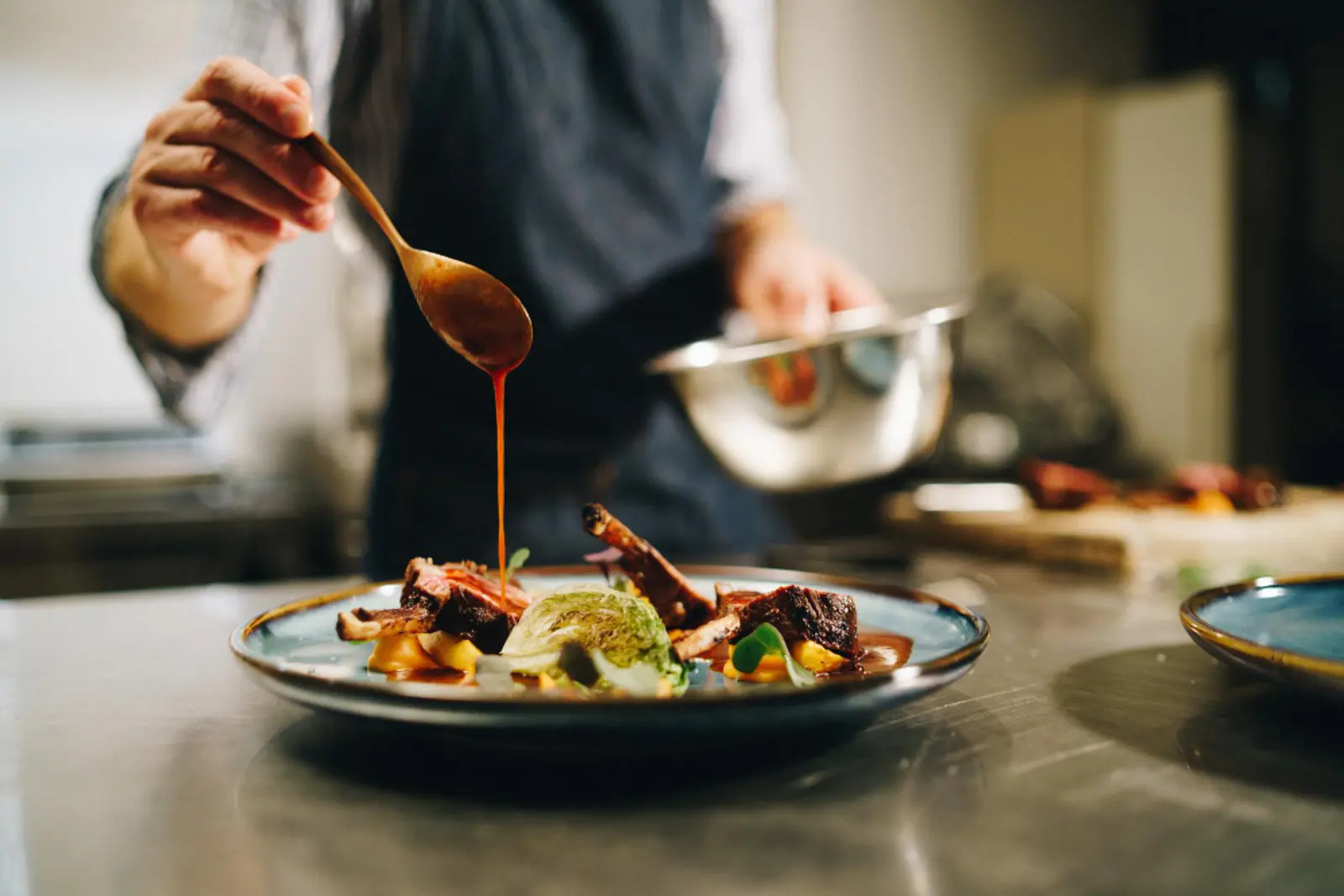
Australian restaurants are a big part of the country’s economy and society with almost 26,000 businesses employing 281,000 people across the country. As a whole, the restaurant industry brings in $13 billion in revenue annually, with 6.2% growth over the last 5 years. A booming industry, clearly weak business is not a particular risk for many restaurants today. But there are plenty other of risks to consider.
With a myriad of risks threatening to undo the hard work of thousands of business owners, restaurant Insurance is a must-have for any business operating in the industry. But what are the critical aspects, risks or things that a restaurant insurance policy should cover?
Slips and Falls
Slips, trips and falls may be accidental, but the financial fall-out from resulting public liability claims can be the death of any uninsured business. A simple case of a customer twisting their ankle by slipping on a wet floor can be a legal nightmare for businesses.
Most business insurance policies will include public liability insurance as part of the package, and restaurant insurance is no exception. However, it may be worth reviewing with your insurance broker to confirm that the protection provided against liability claims is sufficient for your business.
Fire and Natural Disasters
Fire is a risk that can destroy any business in a matter of minutes. But when the trade of a business involves equipment operating at high temperatures, the chance of accidental fire raises substantially. And alongside destroying the premises, a fire will also consume business equipment and stock, all of which should be covered in the policy as well.
Fires aren’t the only uncontrollable disaster a restaurant may need cover for. Depending on the location, restaurant insurance may need to also protect against storms and hail, floods or even earthquakes.
Equipment Break-Down
Without equipment, a restaurant would struggle to do or produce anything. Whether it’s ovens, dish washers or fridges, the break-down of these key assets can rapidly cost a restaurant its customers, revenue or reputation. And it may not be an isolated case of break-down; a malfunction in one piece of equipment may start fire or flooding that causes other equipment or tools to break.
That’s why all restaurant equipment should be sufficiently covered under a Restaurant Insurance policy.
Food Poisoning
A slew of damning reviews is not the only possible consequence of customers getting food poisoning from eating at your restaurant. Expensive lawsuits can also arise, and depending on the severity of the outbreak, even class actions.
With the right restaurant insurance policy, the legal costs resulting in the unfortunate event may be covered, along with compensation payments to the poisoned customers.
Signage and Glass
While the cost of damage or destruction to a restaurant’s signage may be minor compared to many of the other risks above, it might still pay to have this covered in your policy.
Accidents or malicious acts like vandalism can cause unexpected clean-up and repair costs. Having this covered through insurance means the stress and the finances of having to repair the breakage can be largely alleviated.
Your Restaurant Insurance should adequately cover the multitude of risks that your business faces. Not all insurance policies are the same, so it’s important to ensure that the insurance protecting your restaurant covers all of the critical angles, and covers them well.
At PSC Insurance Brokers, we provide specialised assistance in finding the best restaurant insurance policy for owners like you. Contact us today to see how we can help you protect your restaurant.
Conditions apply for each policy and the information expected from you for a policy to trigger. Coverage may differ based on specific clauses in individual policies. Please ask your broker to explain the additional benefits and exclusions pertaining to your policy.
The information provided is general advice only and does not take account of your personal circumstances or needs. Please refer to our financial services guide which contains details of our services and how we are remunerated.