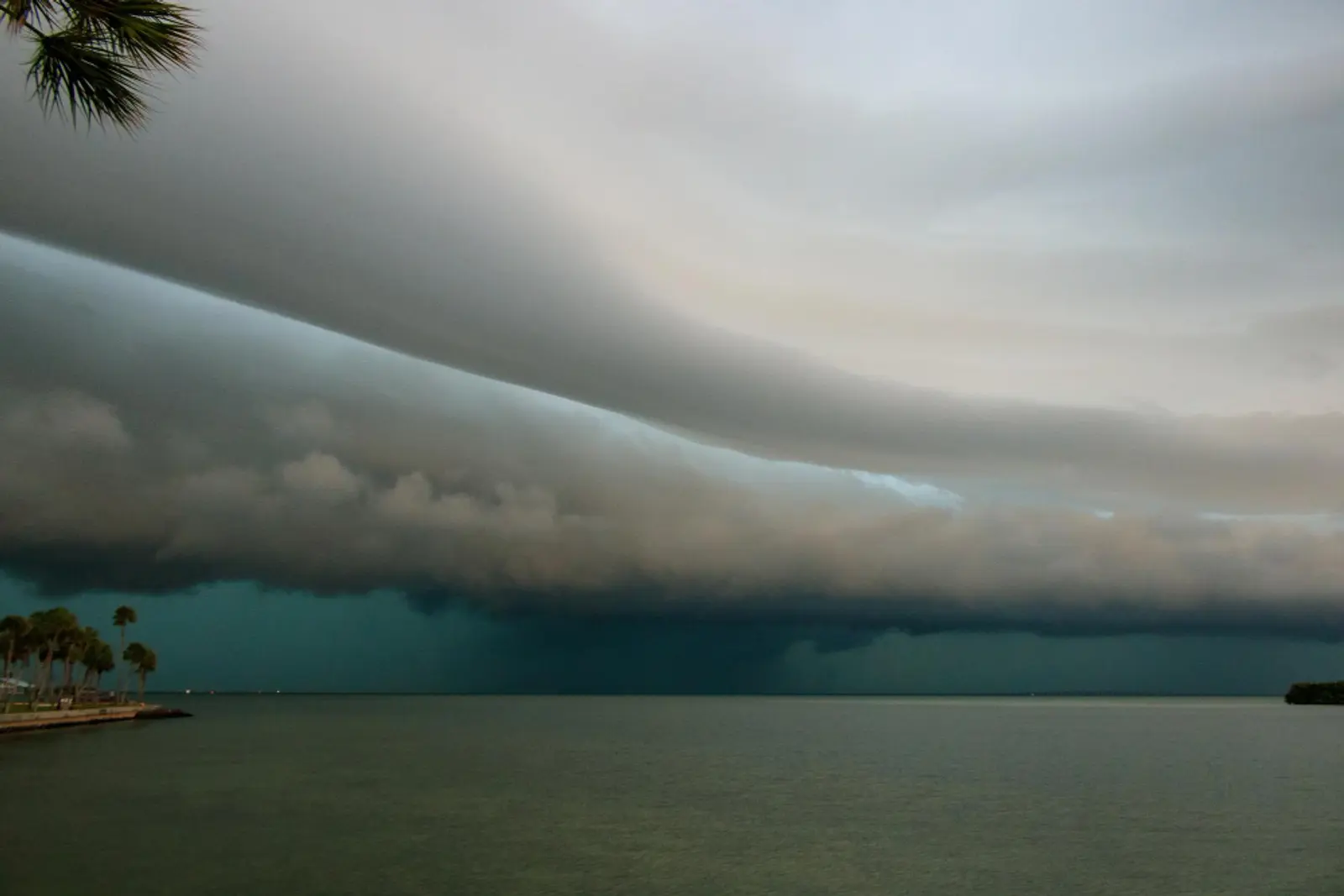
Storms can arrive quickly and leave behind significant damage. Strong winds, heavy rain, flash flooding and flying debris are common across many parts of Australia during storm season. Each year, homes, vehicles and businesses are affected — often in ways that could have been avoided with a few simple steps.
The good news is that getting storm-ready does not need to be difficult. With a bit of planning and some routine maintenance, you can help protect your property and stay safe.
Why storm preparation matters
In Australia, storm season typically runs from May to October in the south and west, with summer storms more common in the north and east. The most frequent types of damage during this time include:
- Fallen trees and powerlines
- Flooding due to blocked drains or damaged roofs
- Wind damage from unsecured items or loose roofing
- Property damage from flying debris
Storms may only last a short time, but their impact can be costly and long-lasting. Preparing your home before storm season starts can help reduce damage, lower repair costs and keep your household safe.
Six steps to reduce your storm risk
The Department of Fire and Emergency Services (DFES) recommends taking these key actions before severe weather hits:
1. Clear your gutters and drains
Leaves and debris can block water flow and lead to leaks or overflowing gutters. Clean gutters and downpipes regularly, especially before a storm is forecast.
2. Secure loose outdoor items
Furniture, tools, garden equipment and toys should be brought indoors or tied down. Even small objects can cause serious damage in high winds.
3. Inspect your roof
Check for cracked or missing tiles and loose roofing materials. If your roof has not been inspected in a while, book a professional inspection.
4. Trim trees and branches
Remove dead or overhanging branches near your home, fences or powerlines. Fallen branches are one of the most common causes of storm damage.
5. Review your insurance
Make sure your home and contents insurance reflects the true value of your property. Review your sums insured, especially after renovations or major purchases.
6. Prepare an emergency kit
Include items such as flashlights, spare batteries, bottled water, non-perishable food and a first aid kit. This can help if you lose power or need to stay indoors.
Storm season checklist
Use this checklist to help prepare your property:
☐ Are your gutters and downpipes clear?
☐ Have you tied down all loose outdoor items?
☐ Have you checked your drainage for blockages?
☐ When was your roof last inspected?
☐ Have any cracked or loose tiles been replaced?
☐ Have trees and branches been trimmed back?
☐ Have you reviewed your insurance sums insured?
☐ Is your car parked safely in a garage or under cover?
☐ Do you have flashlights, food and water in case of a power outage or if you are unable to leave your home?
Storms are unpredictable, but your preparation does not have to be. A few small actions now can make a big difference when wild weather arrives.
If you need help reviewing your insurance or checking your current cover, speak with your local PSC broker. It is better to be ready than to deal with the damage after it is too late.